
Vitiligo is a condition that causes the skin to lose its pigment, leading to lighter or white patches that can appear anywhere on the body. While vitiligo does not affect a child’s physical health, it can have a profound emotional and social impact—especially in younger patients who may feel self-conscious about their appearance.
Parents often seek effective, compassionate treatment options that not only help restore pigment but also support their child’s confidence. At PedSkin Research in Miami, we’re advancing pediatric dermatology through clinical research, offering families access to the latest therapies designed specifically for children.
Understanding Vitiligo in Children
Vitiligo occurs when melanocytes—the skin cells responsible for producing pigment—are destroyed or stop functioning. This loss of pigment creates distinct white or pale patches that contrast with the surrounding skin tone.
The condition is believed to be autoimmune in nature, meaning the immune system mistakenly attacks the body’s own cells. While the exact cause isn’t fully understood, genetics, environmental triggers, and immune responses all appear to play a role.
Vitiligo can develop at any age, and in children, it most commonly appears on areas like the face, hands, knees, elbows, and around body openings (eyes, mouth, or genitals). Although it’s not contagious or painful, the emotional effects can be significant—making early diagnosis and care essential.
Recent Advances in Pediatric Vitiligo Treatments
Over the last few years, treatments for vitiligo have evolved dramatically. Today, children with non-segmental vitiligo have more options than ever before, including topical therapies, light-based treatments, and new immunomodulating medications being studied in clinical trials.
1. Ruxolitinib (Opzelura) 1.5% Cream
Ruxolitinib is a Janus kinase (JAK) inhibitor, a class of medications that target specific immune pathways responsible for inflammation and pigment loss. It’s one of the most promising new treatments for vitiligo, and it has already been approved for adults and adolescents in certain cases.
At PedSkin Research, a new clinical trial is now enrolling children aged 2 to under 12 with non-segmental vitiligo. The study is designed to evaluate the safety and effectiveness of Ruxolitinib 1.5% cream when applied twice daily to affected skin areas for 24 weeks, followed by a 28-week open-label extension.
This double-blind study involves six clinic visits—approximately every six weeks—and includes careful monitoring, blood tests, and follow-up assessments. Participants can apply the cream to up to 10% of their body surface area (BSA), and all treatments and medical care are provided at no cost.
Ruxolitinib works by blocking the immune signals that cause melanocyte destruction, helping the skin gradually regain color. Early results in adults have been highly encouraging, and pediatric trials aim to confirm similar safety and efficacy for children.
2. Phototherapy (Narrowband UVB Light)
Phototherapy remains one of the most effective and widely used treatments for vitiligo. This non-invasive therapy involves exposing affected skin areas to controlled narrowband ultraviolet B (UVB) light, which stimulates melanocytes to produce pigment.
For children, phototherapy is often recommended when vitiligo covers a larger area of the body or when topical creams alone are insufficient. Treatments are typically done several times per week under medical supervision. Over time, phototherapy can help restore pigmentation, especially when combined with topical medications.
3. Topical Steroids and Calcineurin Inhibitors
Topical corticosteroids are frequently prescribed to reduce inflammation and prevent the immune system from attacking pigment cells. However, in sensitive areas like the face or neck, non-steroidal alternatives—such as calcineurin inhibitors (tacrolimus or pimecrolimus)—are preferred to avoid long-term side effects.
These medications help stabilize the immune response in targeted areas, promoting gradual repigmentation while maintaining healthy skin integrity.
4. Emerging and Investigational Therapies
Beyond Ruxolitinib and UV light therapy, researchers are exploring new approaches to vitiligo treatment, including Povorcitinib, an oral JAK1 inhibitor currently being tested in adults. Other potential treatments include melanocyte transplants and innovative topical formulations that could one day expand options for children.
PedSkin Research continues to stay at the forefront of these developments, helping families access the latest safe and ethical clinical studies in pediatric dermatology.
Benefits and Considerations of Joining a Clinical Trial
Participating in a clinical trial offers families a unique opportunity to contribute to scientific progress while gaining access to promising treatments.
Benefits include:
- Early access to cutting-edge therapies before FDA approval.
- Comprehensive medical supervision by pediatric dermatology specialists.
- No cost for participation, including medications, exams, and blood tests.
- Reimbursement for travel expenses for clinic visits.
- The satisfaction of contributing to research that may help other children in the future.
Considerations include:
- Possible side effects, which are closely monitored throughout the study.
- The time commitment for multiple visits and follow-ups.
- Individual results may vary—some children may respond better than others.
Clinical trials at PedSkin Research follow strict safety standards and are reviewed by regulatory boards to ensure the well-being of every participant. Parents receive full transparency before deciding to enroll their child.
How to Know If Your Child Qualifies
The ongoing Ruxolitinib 1.5% cream study at PedSkin Research is currently enrolling children aged 2 to 11 diagnosed with non-segmental vitiligo.
To qualify, participants must:
- Have at least 10% of their body surface area affected by vitiligo.
- Be in good general health and meet study-specific requirements.
- Be willing to attend scheduled visits and apply the cream consistently.
- Complete five brief blood draws and follow up 30 days after treatment.
The entire study lasts approximately 14 months, including screening, treatment, and follow-up. Each family is guided through every step by our experienced medical team.
Emotional Support and Skin Care Tips for Children with Vitiligo
Beyond medical treatments, emotional and practical support plays a vital role in helping children with vitiligo thrive. Parents can take small but meaningful steps to support their child’s confidence and comfort:
- Promote self-acceptance: Remind your child that vitiligo doesn’t define them—it’s simply a difference in skin appearance.
- Use sunscreen daily: Protect depigmented areas from sunburn and minimize contrast between affected and unaffected skin.
- Encourage open dialogue: Let your child express how they feel and reassure them that they are not alone.
- Connect with support groups: Meeting other families affected by vitiligo can help children feel understood and empowered.
At PedSkin Research, we believe that treating vitiligo involves more than addressing pigmentation—it’s about improving confidence, resilience, and overall quality of life.
Our Location
Coral Gables
4425 Ponce de Leon #115, Coral Gables, FL 33146, United States
Nearby Cities:


Request An Appointment
To request an appointment, please fill out the contact form below. Our team will get back to you as soon as possible to confirm your appointment and answer any questions you may have.
We look forward to assisting you.
Meet Our Medical Director
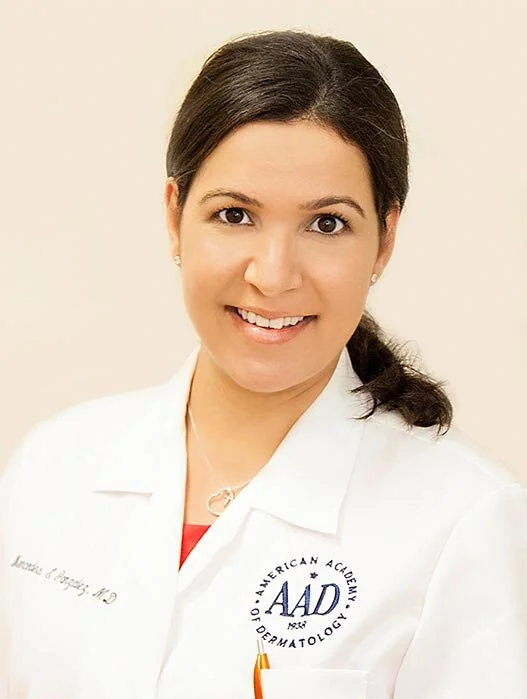
Mercedes E. Gonzalez M.D.
Dr. Mercedes E. Gonzalez is a board-certified pediatric dermatologist. After graduating from Emory University, she earned her degree at Rutgers–New Jersey Medical School in 2004. Always drawn to working with children, she accepted the prestigious pediatrics program at the Morgan Stanley Children’s Hospital of New York–Columbia University where she solidified her interest in treating skin disorders. She then completed a dermatology residency followed by a clinical fellowship in pediatric dermatology at the top-ranked New York University (NYU) Department of Dermatology.
Her gentle, child-friendly bedside manner, combined with her broad knowledge of childhood skin diseases and their treatments, make her the preferred pediatric dermatologist in Miami. In addition to practicing medicine, Dr. Gonzalez currently serves as a clinical assistant professor at The FIU Herbert Wertheim School of Medicine and The Phillip Frost Department of Dermatology at Miller School of Medicine.
Dr. Gonzalez serves as the Principal Investigator on numerous clinical trials and has a special interest in severe skin disease in children. She lectures regularly at Dermatology conferences and to medical students and residents and is the co-editor of 3 dermatology textbooks, including the recently published 2nd edition of Goodheart’s Same Site Differential Diagnosis, and has published over 50 journal articles.