

Better treatments
Start with Research
For your Child
Pediatric Skin Research connects children with difficult skin conditions to innovative clinical trials and emerging therapies
We’re researching better treatments for children with skin conditions
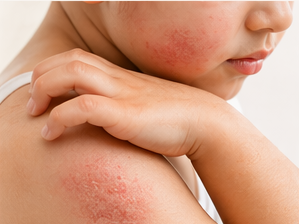
Atopic Dermatitis
This clinical research study is focused on children with moderate to severe atopic dermatitis (eczema), a common skin condition that can cause dry, itchy, and inflamed skin and may affect sleep, daily activities, and overall comfort.
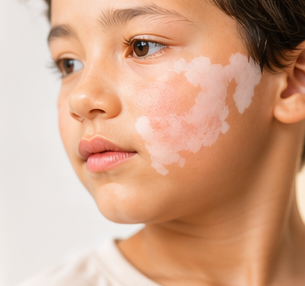
Vitiligo
A child vitiligo study is now enrolling children ages 2–11 with non-segmental vitiligo — the kind that causes white patches on the face or body. No cure is promised. But families who participate help shape what’s possible next.
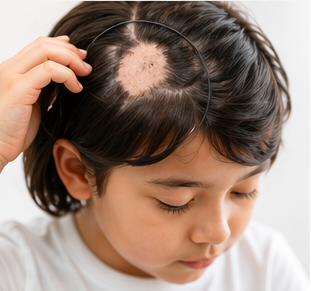
Alopecia
Alopecia Areata is an autoimmune disease that causes hair loss in many people, including children. Studies are currently enrolling children between 2 to 12 years old diagnosed with alopecia for potential new treatments.
How does it work?
Answer a few quick questions
We review your child’s eligibility
Speak with our research team
What does your family receive?
A specialized program
Access to board-certified pediatric specialist in skin conditions
Keep on Track
Close care and monitoring from specialist throughout the study
Reimbursements
Compensation for your time and reasonable travel expenses.
News & Events
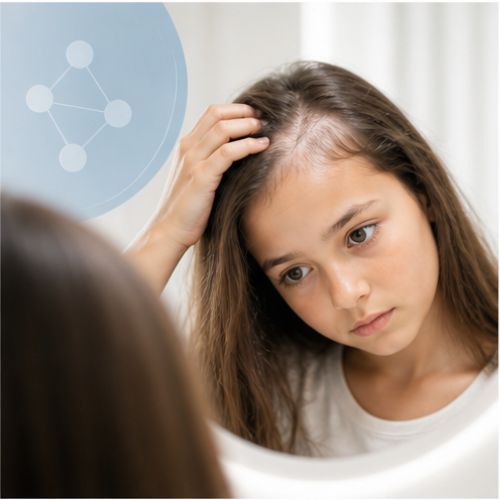

We are here to provide clarity.
Why participate in a research study?
“Clinical research plays a crucial role in providing children with access to new treatments and advancing medical knowledge for future generations. Our mission is to create new opportunities for children and families by advancing research and ensuring that they have access to innovative therapies that have the potential to transform lives”.
Dr. Mercedes E. González
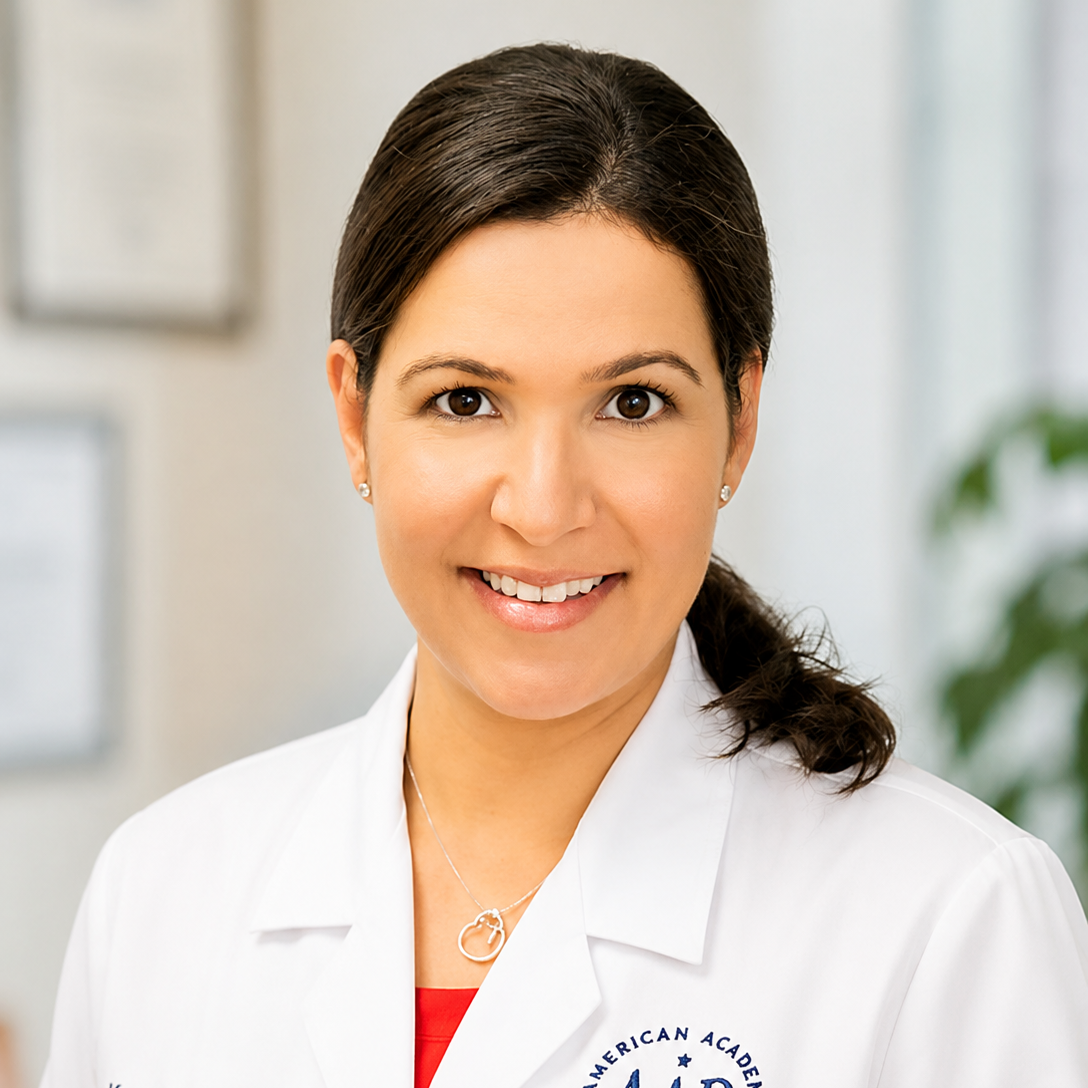
Pediatric Dermatology Specialist &
Principal Investigator.
Founder of Pediatric Skin Research
Check if your child qualifies
You don’t have to navigate this journey alone. Join a study, find support from our community.
It only takes 20 seconds.
© 2026 PEDSKIN Research
All rights reserved
This is a research facility. Treatments are investigational.
Participation is voluntary.