

What Alopecia Causes in Children Beyond Hair Loss and It’s Impact on Daily Life
Alopecia in children is often viewed only as a condition that affects hair. However, its impact frequently extends far beyond physical appearance. While alopecia does not compromise a child’s physical health, it can influence emotional development, social interactions, daily routines, and family dynamics. Understanding what alopecia causes beyond hair loss helps families provide comprehensive support and seek appropriate pediatric dermatology care.
At PedSkin Research, pediatric-focused dermatology research emphasizes not only the biological aspects of alopecia but also the broader effects on children and their families.
Understanding Alopecia in Pediatric Patients
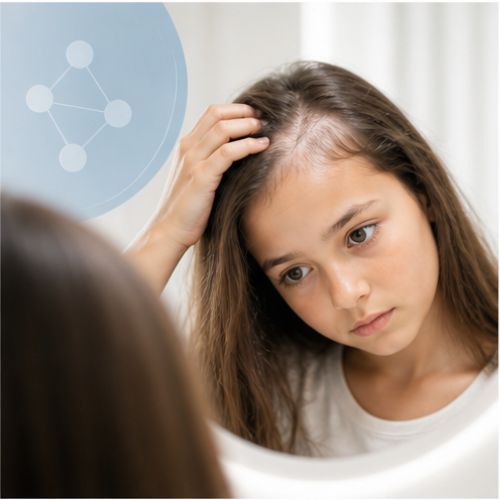
Alopecia refers to hair loss that occurs when hair follicles are affected by immune, genetic, or environmental factors. In children, the most common form is alopecia areata, an autoimmune condition in which the immune system disrupts the hair growth cycle.
Unlike scarring hair loss disorders, alopecia areata does not permanently damage hair follicles. This means hair regrowth is possible, although the timing and extent vary widely.
It is important to understand that alopecia:
- Is not contagious
- Is not caused by poor hygiene or hair care
- Is not a reflection of a child’s overall health
Despite this, visible hair loss can significantly affect a child’s daily life.
Emotional Effects of Alopecia in Children
One of the most significant impacts of alopecia is emotional. Children may experience a wide range of feelings as they notice changes in their appearance.
Self-Esteem and Confidence
Hair often plays a role in how children perceive themselves. Hair loss may lead to:
- Self-consciousness
- Reduced confidence
- Fear of standing out among peers
These feelings can be especially strong during school-age years and adolescence.
Anxiety and Emotional Stress
Some children develop anxiety related to:
- Anticipating questions or comments from others
- Uncertainty about whether the hair will regrow
- Fear of further hair loss
While stress does not cause alopecia, emotional distress can affect a child’s overall well-being.
Social Challenges and Peer Interactions
Children with alopecia may encounter social challenges, particularly in school or group settings.
Peer Curiosity and Misunderstanding
Classmates may ask questions or make comments about visible hair loss. Even well-meaning curiosity can feel overwhelming for some children.
Risk of Social Withdrawal
Some children choose to avoid social activities, sports, or school events due to discomfort about their appearance. This withdrawal can impact friendships and social development.
Open communication and supportive environments help children navigate these situations with greater confidence.
Impact on School and Daily Activities
Alopecia can influence how children experience their daily routines.
School Environment
Children may feel distracted in class or anxious during presentations or group activities. School staff awareness and sensitivity can make a positive difference.
Sports and Physical Activities
While alopecia does not limit physical ability, children may feel hesitant to participate in sports or swimming where hair loss is more visible.
Morning Routines
Hair care routines may change significantly. Some children choose hats, scarves, or other accessories, which may become part of their daily routine.
Family Dynamics and Parental Concerns
Alopecia affects not only the child but also their family. Parents may experience:
- Worry about emotional well-being
- Uncertainty about how to support their child
- Concern about long-term outcomes
Siblings may also have questions or reactions that require open discussion.
Education and reassurance help families maintain a balanced and supportive home environment.

The Role of Pediatric Dermatology Care
Pediatric dermatology care plays a crucial role in addressing both physical and emotional aspects of alopecia.
Pediatric dermatologists:
- Provide accurate diagnosis and education
- Monitor disease progression
- Offer guidance on management options
- Support emotional well-being through counseling and resources
Regular follow-up allows care plans to adapt as the child grows and their needs change.
Clinical Research and Pediatric Alopecia Support
Clinical research helps expand the understanding of alopecia and improve future care options. At PedSkin Research, pediatric-focused studies evaluate investigational therapies under strict medical oversight.
Research participation:
- Advances in scientific knowledge
- Helps establish pediatric-specific safety data
- Provides families with structured monitoring and education
Participation is always voluntary and based on eligibility criteria.
Coping Strategies for Children and Families
Supporting a child with alopecia involves practical and emotional strategies.
Open Communication
Encouraging children to express their feelings helps parents understand and address concerns early.
Empowering the Child
Allowing children to make choices about hairstyles, head coverings, or accessories can restore a sense of control.
Education and Advocacy
Teaching children how to explain alopecia in simple terms can help them respond to questions confidently.
Support Networks
Connecting with other families facing similar experiences can provide reassurance and shared understanding.
Helping Children Build Resilience
Resilience is built through positive reinforcement and emotional support. Parents and caregivers can:
- Focus on strengths unrelated to appearance
- Celebrate achievements and interests
- Encourage participation in activities the child enjoys
This holistic support helps children develop confidence that extends beyond physical appearance.
Long-Term Outlook for Children with Alopecia
The course of alopecia in children is unpredictable. Some children experience full regrowth, while others may have recurring episodes. Regardless of hair changes, many children adapt well with appropriate support.
Ongoing pediatric dermatology care and education allow families to adjust expectations and respond effectively to changes over time.
Learn More About Pediatric Alopecia Research
Children with alopecia may qualify for clinical research studies depending on age and condition characteristics. Educational resources and research opportunities help families explore options without pressure or obligation.