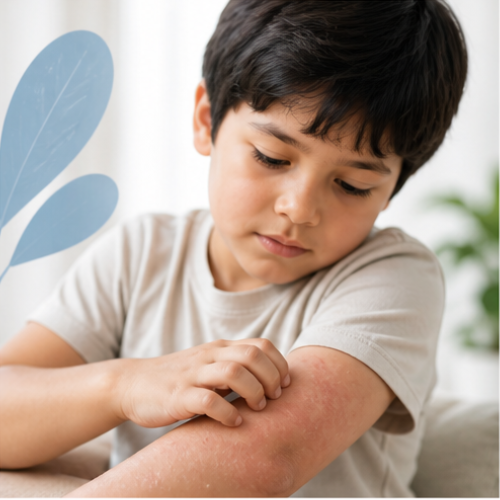


Discovering Atopic Dermatitis Treatment Options for Children in Miami, Including Local Specialists and Clinics

Atopic dermatitis, commonly referred to as eczema, is one of the most prevalent chronic skin conditions affecting children. Families searching for atopic dermatitis treatment in Miami often face uncertainty about where to start, what type of care is appropriate, and how to navigate ongoing management. Because eczema can vary significantly from child to child, finding the right pediatric dermatology support is essential.
This guide helps families understand how pediatric dermatology specialists and research-focused clinics support children with atopic dermatitis, what to expect from evaluation and care, and how clinical research contributes to advancing pediatric eczema management.
Understanding the Need for Pediatric-Specific Care
Children’s skin differs from adult skin in structure, sensitivity, and immune response. As a result, atopic dermatitis treatment for children must be tailored specifically to pediatric needs. Pediatric dermatologists are trained to recognize age-related symptom patterns and to recommend care strategies that prioritize safety and long-term skin health.
Atopic dermatitis is not a condition that follows a single treatment pathway. Instead, care is individualized based on:
- Child’s age
- Severity and location of symptoms
- Frequency of flare-ups
- Impact on sleep and daily activities
This individualized approach helps families manage symptoms while minimizing unnecessary interventions.
Why Location Matters When Seeking Pediatric Eczema Care
Families searching for “atopic dermatitis treatment near me” often prioritize access to consistent, local care. In a city like Miami, environmental factors such as humidity, heat, and seasonal changes may influence eczema symptoms for some children.
Local pediatric dermatology clinics offer:
- Ongoing follow-up and monitoring
- Familiarity with regional environmental considerations
- Access to pediatric-focused specialists
Continuity of care is especially important for chronic conditions like atopic dermatitis, which often require long-term management rather than one-time treatment.
What Pediatric Dermatology Specialists Do
Pediatric dermatologists play a central role in evaluating and managing childhood eczema. Their responsibilities include:
Accurate Diagnosis
Not all rashes are eczema. Pediatric dermatologists differentiate atopic dermatitis from other childhood skin conditions to ensure appropriate guidance.
Severity Assessment
Determining whether eczema is mild, moderate, or severe helps guide care recommendations and follow-up frequency.
Education for Families
Families receive education about:
- The chronic nature of eczema
- The importance of skin barrier care
- What to expect over time
Education helps reduce anxiety and empowers families to manage symptoms confidently.
Common Elements of Pediatric Atopic Dermatitis Care
While care plans are individualized, pediatric dermatology treatment often focuses on several foundational principles.
Skin Barrier Support
Maintaining skin hydration is essential. Regular moisturizing supports the skin barrier and may reduce symptom variability.
Inflammation Management
Reducing inflammation during flare-ups is an important component of care. Pediatric dermatologists guide families on appropriate strategies while prioritizing safety.
Trigger Awareness
Families may be encouraged to observe patterns related to flare-ups, such as environmental changes or skin irritants.
Monitoring Over Time
Because symptoms can change with growth and development, ongoing monitoring allows care strategies to adapt as needed.
Role of Pediatric Dermatology Clinics in Miami
Pediatric dermatology clinics in Miami often serve as long-term partners in care rather than one-time treatment centers. Families benefit from:
- Consistent follow-up appointments
- Adjustments to care plans as children grow
- Support during periods of flare-ups or symptom changes
Clinics that focus on pediatric populations understand the importance of balancing symptom management with a child’s emotional well-being and daily life.
Clinical Research and Atopic Dermatitis in Children
Clinical research plays an important role in improving the understanding of pediatric eczema. At PedSkin Research, pediatric-focused studies explore investigational therapies and management strategies under strict medical oversight.
These studies aim to:
- Expand knowledge of immune mechanisms involved in atopic dermatitis
- Improve safety data for pediatric populations
- Support the development of future dermatology care guidelines
Participation in clinical research is always voluntary and includes informed consent, eligibility screening, and continuous monitoring.
Why Research-Focused Clinics Matter
Research-focused clinics contribute to progress in pediatric dermatology by:
- Evaluating emerging treatment approaches
- Collecting data specific to children and adolescents
- Supporting evidence-based care development
Families who participate in research often value the additional education, structure, and follow-up that research settings provide.
Emotional and Family Support as Part of Care
Atopic dermatitis can affect more than just a child’s skin. Families may experience stress related to:
- Managing daily skin care routines
- Sleep disruption during flare-ups
- Concerns about long-term outcomes
Pediatric dermatology care acknowledges these challenges and emphasizes emotional support alongside physical care.
Parents can support children by:
- Encouraging open conversations about symptoms
- Maintaining consistent routines
- Reinforcing that eczema is a medical condition, not something the child caused
How Families Can Prepare for a Pediatric Dermatology Visit
Preparing for a dermatology appointment helps families make the most of their visit. Helpful steps include:
- Keeping notes on symptom patterns and flare-ups
- Listing products used on the child’s skin
- Observing potential environmental triggers
This information supports more informed discussions and individualized care planning.
Long-Term Outlook for Children with Atopic Dermatitis
Atopic dermatitis is often a long-term condition, but its severity and presentation may change over time. Some children experience improvement as they grow older, while others continue to have intermittent flare-ups.
With appropriate pediatric dermatology care, education, and family support, many children successfully manage symptoms and maintain a good quality of life.
Accessing Pediatric Eczema Research Opportunities
Children with atopic dermatitis may qualify for clinical research studies depending on age, diagnosis, and disease characteristics. Educational resources help families explore research options without pressure or obligation.
Learning about research opportunities allows families to stay informed about evolving care approaches.