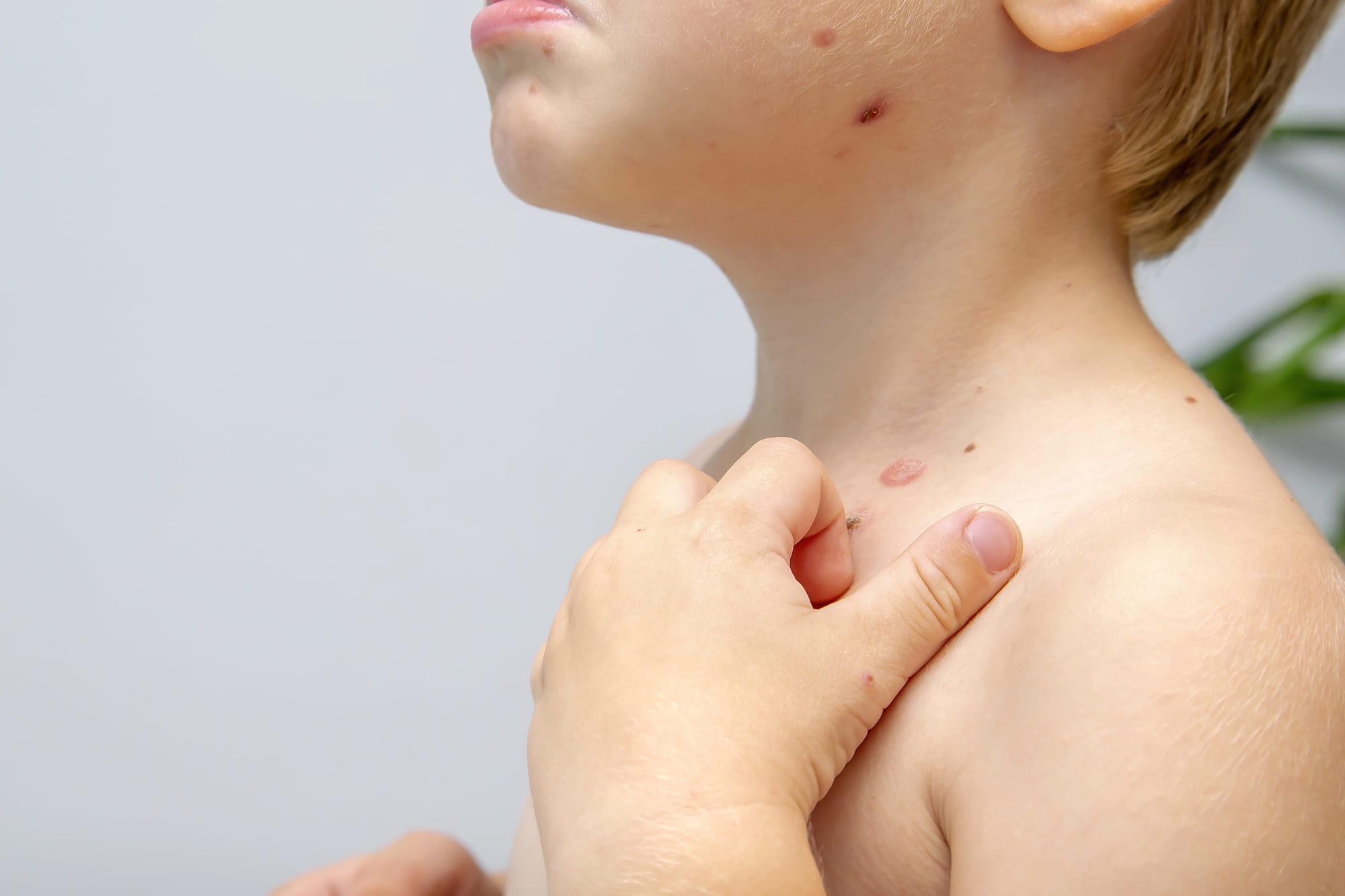
“Butterfly disease skin” is a term often used to describe epidermolysis bullosa (EB), a rare genetic condition that causes extremely fragile skin in infants and children. Even minor friction or trauma can lead to painful blisters, wounds, and skin tears. Because the skin is as delicate as a butterfly’s wings, the condition has become widely known by this name.
Understanding epidermolysis bullosa is essential for parents, caregivers, and families navigating a new diagnosis. With early diagnosis, specialized dermatologic care, and long-term support, children with EB can receive better symptom management and improved quality of life.
What Is Epidermolysis Bullosa?
Epidermolysis bullosa skin disease is a group of inherited disorders characterized by fragile skin that blisters easily. The condition is caused by genetic mutations that affect proteins responsible for holding the layers of skin together. When these proteins do not function properly, the skin separates and blisters form.
EB is usually present at birth or develops during early infancy, making it one of the most challenging pediatric dermatological conditions to manage.
Types of Epidermolysis Bullosa
There are several main types of EB, each varying in severity:
- EB Simplex – Typically milder; blistering occurs in the outer layer of skin
- Junctional EB – More severe; affects deeper layers and often appears in infancy
- Dystrophic EB – Can be moderate to severe; may lead to scarring and long-term complications
- Kindler Syndrome – A rare form with mixed features
The severity of symptoms can range from mild blistering on hands and feet to widespread skin involvement affecting daily life.
Symptoms of Butterfly Syndrome Skin Disease
Children with butterfly syndrome skin disease may experience:
- Frequent skin blistering from minor friction
- Open wounds and slow-healing sores
- Skin infections
- Nail abnormalities
- Thickened or scarred skin over time
- Blisters inside the mouth or digestive tract in severe cases
In EB disease in infants, symptoms often appear shortly after birth, sometimes during delivery or early handling.
Butterfly Skin Disease Life Expectancy
One of the most common concerns families have after diagnosis is butterfly skin disease life expectancy. The outlook varies widely depending on the type and severity of EB.
- Mild forms may allow children to live full, active lives
- Severe forms can involve complications such as infections, nutritional challenges, and internal blistering
With advances in medical care, wound management, and supportive therapies, outcomes continue to improve. Early care by a specialized pediatric dermatologist plays a critical role in long-term health.
Diagnosis of Epidermolysis Bullosa
Diagnosis typically involves:
- A detailed clinical examination
- Family and genetic history
- Skin biopsy or genetic testing
Early and accurate diagnosis allows for prompt treatment planning and helps families understand what to expect as their child grows.

Managing Epidermolysis Bullosa in Children
While there is currently no cure for EB, treatment focuses on symptom management, wound care, and prevention of complications. Pediatric dermatology specialists develop individualized care plans that may include:
- Gentle wound care and bandaging techniques
- Infection prevention strategies
- Pain management
- Nutritional support
- Education for parents and caregivers
Because EB affects many aspects of daily life, care often involves a multidisciplinary medical team.
The Role of Pediatric Dermatology Specialists
Children with epidermolysis bullosa require care from experienced pediatric dermatologists who understand the complexity of the condition. Specialists monitor disease progression, manage complications, and guide families through long-term care decisions.
In advanced pediatric dermatology practices, families may also gain access to clinical trials and research studies exploring new therapies for EB. These research efforts are essential for improving future treatment options and quality of life for affected children.
Emotional and Family Support
Living with butterfly disease affects not only the child but the entire family. Ongoing medical visits, daily wound care, and emotional stress can be overwhelming. Pediatric dermatology teams emphasize education, emotional support, and connection to community resources to help families cope.
Children benefit greatly from an environment that supports both physical healing and emotional well-being.
Hope Through Research and Specialized Care
Although epidermolysis bullosa is a challenging diagnosis, continued research offers hope. Advances in wound care, gene-based therapies, and clinical trials are changing the future for children with EB.
With early intervention, specialized pediatric dermatology care, and ongoing support, many children with butterfly disease skin can achieve better comfort, reduced complications, and an improved quality of life.
Conclusion
Butterfly disease skin, or epidermolysis bullosa, is a rare but serious condition that requires expert pediatric dermatologic care. Understanding the condition, recognizing symptoms early, and partnering with experienced specialists can make a significant difference in a child’s health journey. Through compassionate care and ongoing research, families can find support, guidance, and hope for the future.
Our Location
Coral Gables
4425 Ponce de Leon #115, Coral Gables, FL 33146, United States
Nearby Cities:


Request An Appointment
To request an appointment, please fill out the contact form below. Our team will get back to you as soon as possible to confirm your appointment and answer any questions you may have.
We look forward to assisting you.
Meet Our Medical Director
Mercedes E. Gonzalez M.D.
Dr. Mercedes E. Gonzalez is a board-certified pediatric dermatologist. After graduating from Emory University, she earned her degree at Rutgers–New Jersey Medical School in 2004. Always drawn to working with children, she accepted the prestigious pediatrics program at the Morgan Stanley Children’s Hospital of New York–Columbia University where she solidified her interest in treating skin disorders. She then completed a dermatology residency followed by a clinical fellowship in pediatric dermatology at the top-ranked New York University (NYU) Department of Dermatology.
Her gentle, child-friendly bedside manner, combined with her broad knowledge of childhood skin diseases and their treatments, make her the preferred pediatric dermatologist in Miami. In addition to practicing medicine, Dr. Gonzalez currently serves as a clinical assistant professor at The FIU Herbert Wertheim School of Medicine and The Phillip Frost Department of Dermatology at Miller School of Medicine.
Dr. Gonzalez serves as the Principal Investigator on numerous clinical trials and has a special interest in severe skin disease in children. She lectures regularly at Dermatology conferences and to medical students and residents and is the co-editor of 3 dermatology textbooks, including the recently published 2nd edition of Goodheart’s Same Site Differential Diagnosis, and has published over 50 journal articles.