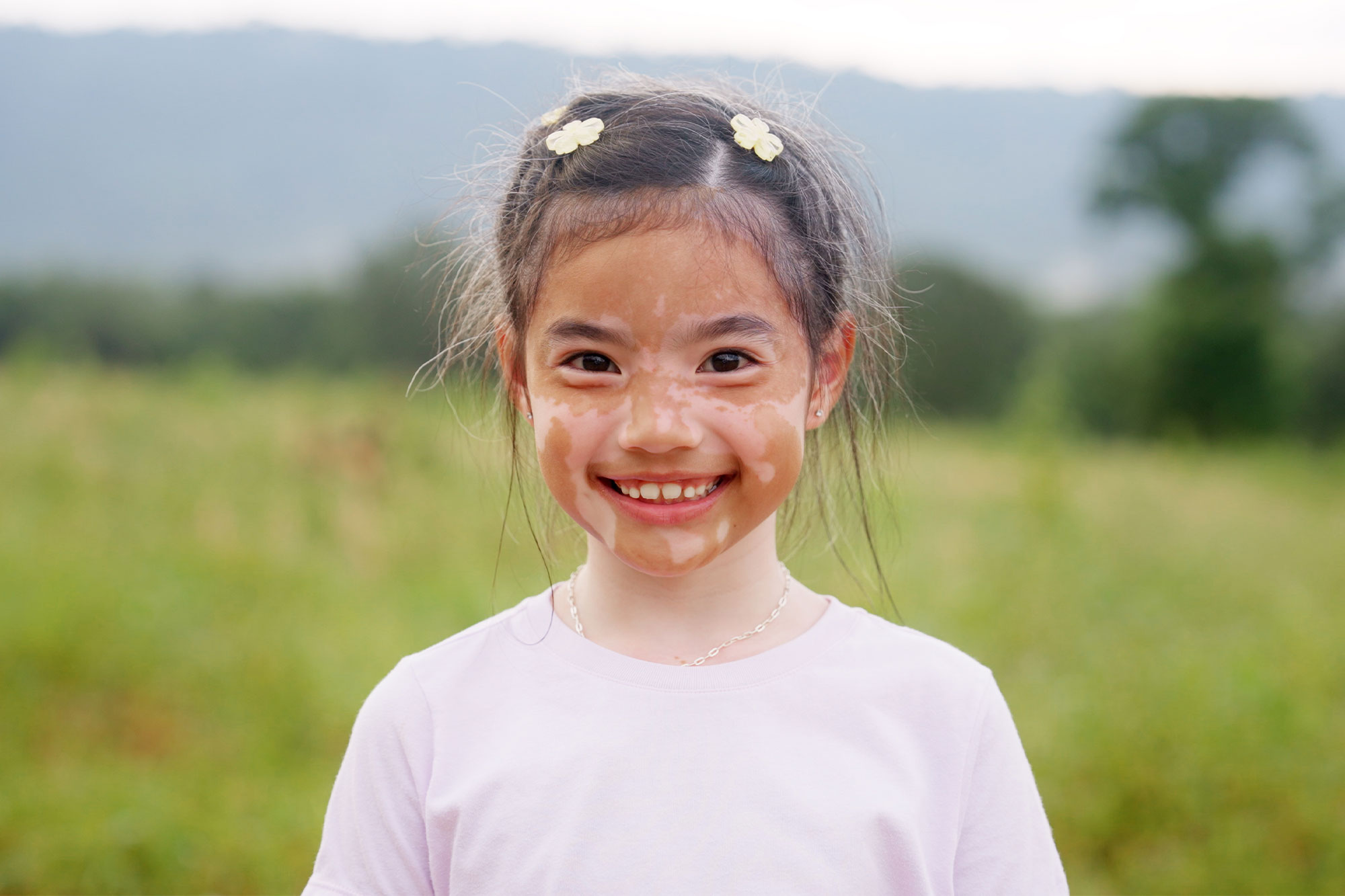
Vitiligo is a skin condition that affects children of all ages, causing loss of pigmentation and the appearance of white patches on the skin. While vitiligo is not medically dangerous, it can have a significant emotional and psychological impact on children and their families. Access to specialized pediatric vitiligo care in Miami is essential for accurate diagnosis, effective treatment, and long-term emotional support.
With advances in pediatric dermatology and research-based therapies, children with vitiligo today have more treatment options and support than ever before.
What Is Pediatric Vitiligo?
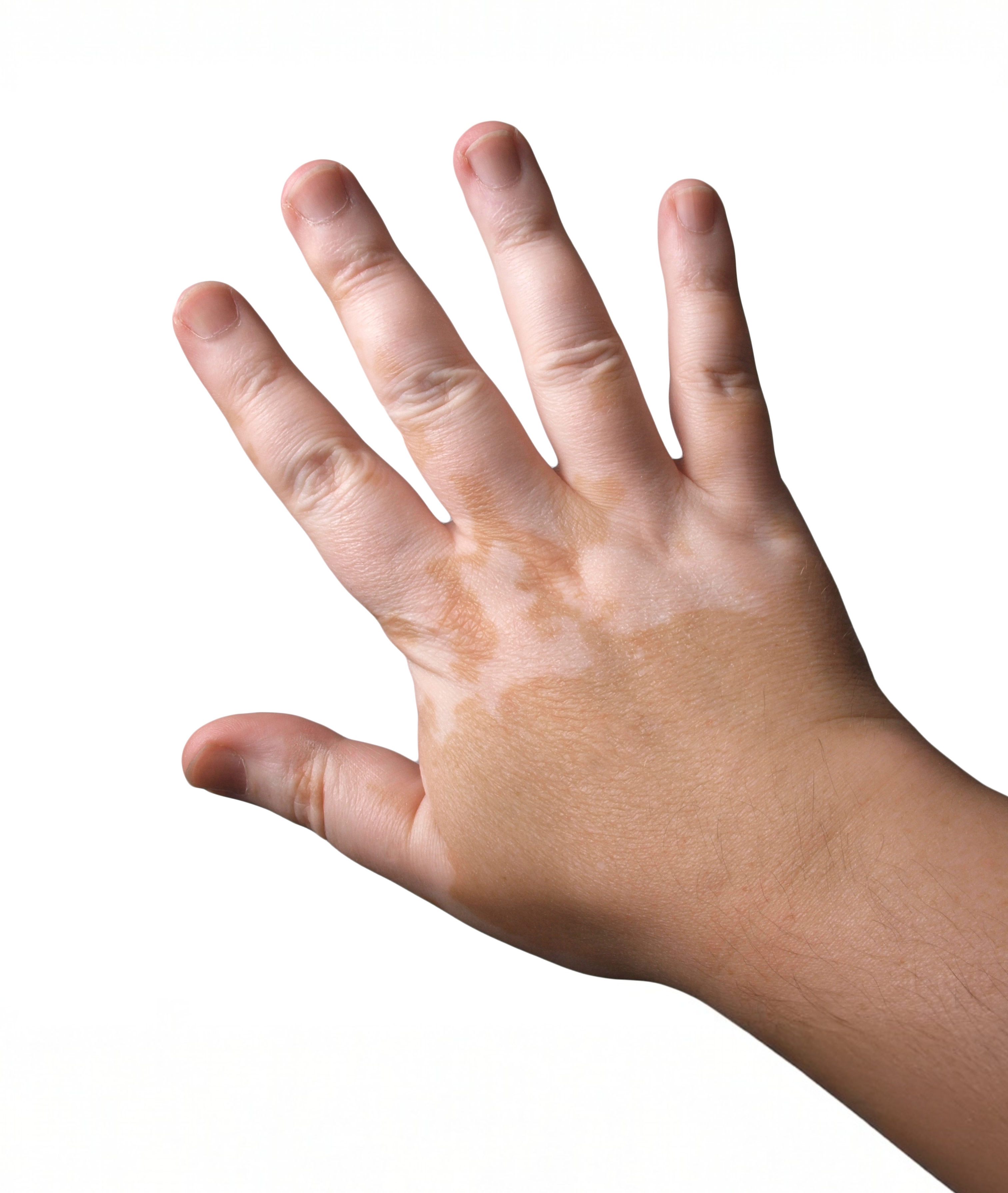
Vitiligo is an autoimmune skin condition in which the body’s immune system attacks melanocytes, the cells responsible for producing skin pigment (melanin). As these cells are damaged or destroyed, white patches appear on the skin. Vitiligo can affect any part of the body, including the face, hands, feet, scalp, and mucous membranes.
In children, vitiligo may develop gradually or progress more rapidly, making early diagnosis by a pediatric dermatologist in Miami especially important.
Causes and Risk Factors of Vitiligo in Children
The exact cause of vitiligo is not fully understood, but several factors are known to contribute to its development:
- Autoimmune response, where the immune system targets pigment-producing cells
- Genetic predisposition, as vitiligo may run in families
- Environmental triggers, such as skin injury or sunburn
- Emotional stress, which may influence disease onset or progression
Research has also shown a connection between vitiligo and stress, particularly in children who are navigating school, social interactions, and self-image development.
Diagnosing Pediatric Vitiligo
Diagnosis of pediatric vitiligo typically involves a thorough clinical examination by a pediatric dermatologist. In some cases, additional tests may be used to rule out other skin conditions or associated autoimmune disorders.
Early diagnosis allows for:
- Prompt treatment planning
- Slowing disease progression
- Improved cosmetic outcomes
- Emotional reassurance for children and parents
Specialized Miami pediatric dermatology practices focus on identifying vitiligo early and educating families about the condition.
Treatment Options for Pediatric Vitiligo
While there is currently no cure for vitiligo, several effective treatment options can help restore pigment, slow progression, and improve appearance. Pediatric vitiligo care is highly individualized, depending on the child’s age, skin type, extent of vitiligo, and response to therapy.
Common treatment approaches include:
- Topical medications, such as corticosteroids or calcineurin inhibitors
- Phototherapy, using controlled light exposure to stimulate pigment production
- Targeted therapies, for localized patches
- Monitoring and maintenance plans to prevent flare-ups
A pediatric dermatologist carefully balances effectiveness with safety, especially for younger children, ensuring treatments are age-appropriate and well tolerated.
The Importance of Research and Clinical Studies
In leading pediatric dermatology practices, research plays a critical role in improving vitiligo outcomes. Ongoing clinical trials and studies are exploring new therapies that target the immune pathways involved in vitiligo.
Participation in research allows some families access to:
- Innovative treatments not yet widely available
- Evidence-based care aligned with the latest advancements
- Close medical monitoring and follow-up
This research-driven approach helps advance the future of vitiligo care for children worldwide.
Emotional and Psychological Support for Children with Vitiligo
One of the most important aspects of pediatric vitiligo care in Miami is addressing the emotional impact of the condition. Children with vitiligo may experience anxiety, low self-esteem, or social challenges due to visible skin changes.
Comprehensive care includes:
- Open conversations about skin differences
- Guidance for parents on supporting emotional well-being
- Stress management strategies
- Encouragement of confidence and self-acceptance
By addressing both physical symptoms and emotional health, pediatric dermatologists help children feel supported and understood.
Family Education and Long-Term Care
Vitiligo is often a long-term condition, making education and ongoing care essential. Pediatric dermatology teams work closely with families to explain the nature of the disease, expected outcomes, and realistic treatment goals.
Long-term care focuses on:
- Regular follow-up appointments
- Adjusting treatments as the child grows
- Sun protection and skin care routines
- Emotional check-ins during key developmental stages
This proactive approach helps children and families manage vitiligo with confidence.
Choosing the Right Pediatric Dermatologist in Miami
Finding the right specialist is crucial for effective vitiligo management. Families seeking a dermatologist pediatric Miami should look for experience in pediatric autoimmune skin conditions, access to advanced treatments, and a compassionate, child-centered approach.
A trusted pediatric dermatologist serves as a long-term partner in care, guiding families through each stage of the vitiligo journey.
Conclusion
Pediatric vitiligo care in Miami goes beyond treating skin pigmentation—it involves understanding the condition, offering effective medical treatments, and supporting a child’s emotional well-being. With early diagnosis, personalized treatment plans, and compassionate care, children with vitiligo can thrive and maintain a positive sense of self.
Advances in pediatric dermatology and ongoing research continue to improve outcomes, offering hope and reassurance to families navigating vitiligo together.
Our Location
Coral Gables
4425 Ponce de Leon #115, Coral Gables, FL 33146, United States
Nearby Cities:


Request An Appointment
To request an appointment, please fill out the contact form below. Our team will get back to you as soon as possible to confirm your appointment and answer any questions you may have.
We look forward to assisting you.
Meet Our Medical Director
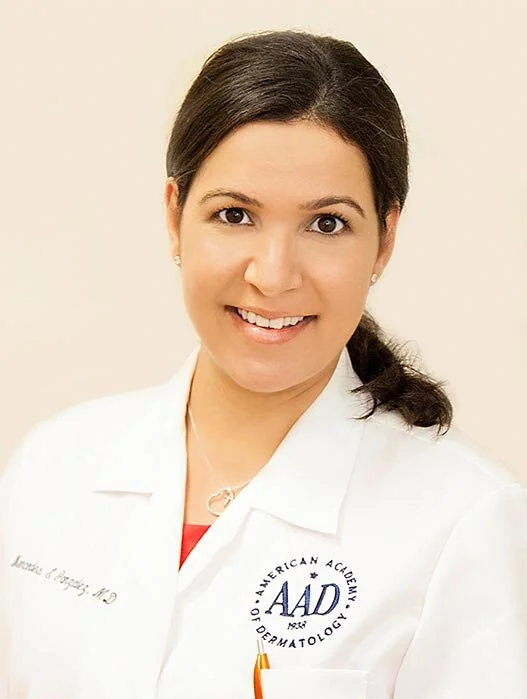
Mercedes E. Gonzalez M.D.
Dr. Mercedes E. Gonzalez is a board-certified pediatric dermatologist. After graduating from Emory University, she earned her degree at Rutgers–New Jersey Medical School in 2004. Always drawn to working with children, she accepted the prestigious pediatrics program at the Morgan Stanley Children’s Hospital of New York–Columbia University where she solidified her interest in treating skin disorders. She then completed a dermatology residency followed by a clinical fellowship in pediatric dermatology at the top-ranked New York University (NYU) Department of Dermatology.
Her gentle, child-friendly bedside manner, combined with her broad knowledge of childhood skin diseases and their treatments, make her the preferred pediatric dermatologist in Miami. In addition to practicing medicine, Dr. Gonzalez currently serves as a clinical assistant professor at The FIU Herbert Wertheim School of Medicine and The Phillip Frost Department of Dermatology at Miller School of Medicine.
Dr. Gonzalez serves as the Principal Investigator on numerous clinical trials and has a special interest in severe skin disease in children. She lectures regularly at Dermatology conferences and to medical students and residents and is the co-editor of 3 dermatology textbooks, including the recently published 2nd edition of Goodheart’s Same Site Differential Diagnosis, and has published over 50 journal articles.