
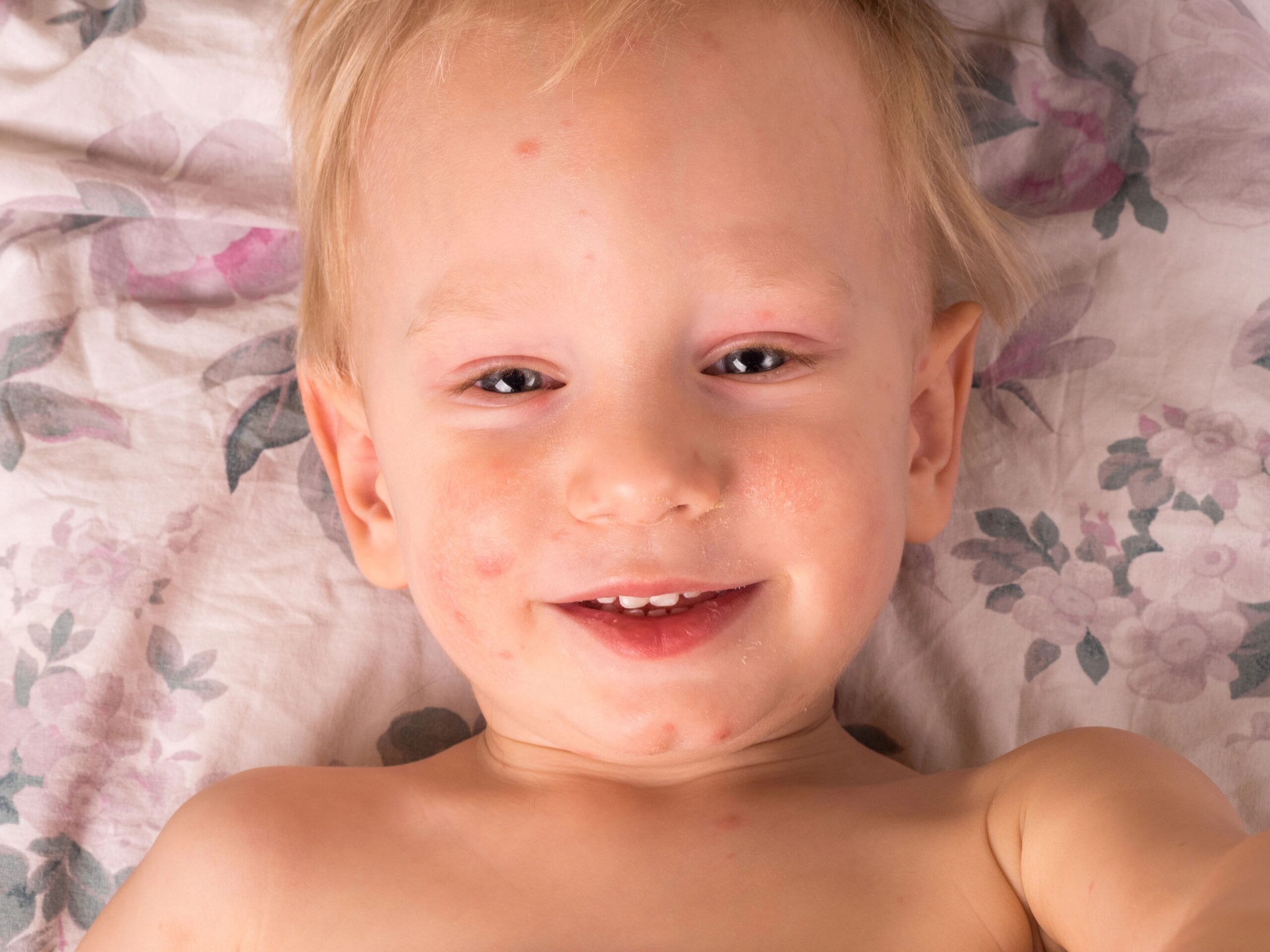
Pediatric atopic dermatitis, commonly known as eczema, is one of the most prevalent chronic skin conditions affecting infants and children worldwide. Characterized by persistent itching, inflammation, and dry skin, the condition can significantly impact a child’s comfort, sleep, and overall quality of life. Managing eczema in children requires a careful, evidence-based approach guided by established treatment protocols and supported by the latest research and clinical trials.
Advances in Miami pediatric dermatology and ongoing scientific studies have transformed how atopic dermatitis is treated, offering new hope for children with moderate to severe disease.
Understanding Pediatric Atopic Dermatitis
Atopic dermatitis is a chronic inflammatory skin condition often beginning in early childhood. It is associated with a disrupted skin barrier and an overactive immune response. Children with eczema may experience flare-ups triggered by allergens, irritants, infections, weather changes, or emotional stress.
Because pediatric skin is more sensitive than adult skin, treatment strategies must be carefully tailored by a pediatric dermatologist to ensure both safety and effectiveness.
Standard Pediatric Atopic Dermatitis Treatment Guidelines
Current pediatric atopic dermatitis treatment guidelines focus on controlling symptoms, preventing flare-ups, and maintaining healthy skin over time. These guidelines emphasize a stepwise and individualized approach, depending on disease severity.
Key components of guideline-based care include:
1. Skin Barrier Repair and Maintenance
Restoring and protecting the skin barrier is the foundation of eczema treatment. This includes:
- Daily use of fragrance-free moisturizers
- Gentle bathing practices
- Avoidance of known irritants and allergens
Consistent skin care helps reduce inflammation and minimize flare frequency.
2. Anti-Inflammatory Therapies
When flare-ups occur, pediatric dermatologists may prescribe:
- Topical corticosteroids at appropriate strengths
- Non-steroidal anti-inflammatory topical medications
These treatments are used carefully and under medical supervision to ensure long-term safety in children.
3. Itch Control and Infection Prevention
Chronic itching can lead to broken skin and secondary infections. Treatment plans often include strategies to reduce itching and protect the skin from bacterial or viral infections.
Role of Advanced Therapies for Moderate to Severe Eczema
For children with moderate to severe atopic dermatitis that does not respond to standard treatments, advanced therapies may be recommended. These options are guided by updated clinical guidelines and ongoing research.
Advanced care may include:
- Targeted topical therapies
- Systemic treatments for severe cases
- Phototherapy under specialist supervision
A dermatologist pediatric Miami specialist carefully evaluates risks and benefits before recommending advanced options.
Latest Research in Pediatric Atopic Dermatitis
Research into pediatric atopic dermatitis has expanded rapidly in recent years. Scientists now have a better understanding of the immune pathways involved in eczema, leading to the development of more targeted and effective treatments.
Recent research focuses on:
- Immune-modulating therapies
- Long-term safety of new medications in children
- Personalized treatment approaches based on disease severity
This research-driven approach allows pediatric dermatologists to move beyond symptom control and address the underlying causes of inflammation.
Atopic Dermatitis Clinical Trials
Atopic dermatitis clinical trials play a critical role in advancing pediatric eczema care. Through clinical research programs, eligible children may gain access to innovative therapies not yet widely available.
Participation in clinical trials can offer:
- Access to cutting-edge treatments
- Close medical monitoring by specialists
- Contribution to advancements in pediatric dermatology
Clinical trials follow strict safety and ethical standards, and families are fully informed before participating. For some children with severe or treatment-resistant eczema, trials may provide new options when standard therapies are not sufficient.

Importance of Early and Ongoing Care
Early diagnosis and consistent management are essential for long-term control of pediatric atopic dermatitis. Untreated or poorly managed eczema can lead to complications such as skin infections, sleep disruption, and emotional distress.
Pediatric dermatology care focuses not only on managing active symptoms but also on educating families about:
- Long-term skin care routines
- Recognizing early signs of flare-ups
- Adjusting treatment plans as children grow
This proactive approach helps children maintain healthier skin and improved quality of life.
Emotional and Family Impact of Pediatric Eczema
Chronic eczema can affect more than just a child’s skin. Persistent itching, visible rashes, and discomfort may impact confidence, school performance, and emotional well-being. Family education and emotional support are essential parts of comprehensive care.
Pediatric dermatology teams work closely with parents to reduce stress, improve treatment adherence, and support the child’s emotional health alongside medical treatment.
Conclusion
Pediatric atopic dermatitis treatment guidelines, supported by the latest research and clinical trials, provide a structured and effective approach to managing childhood eczema. With advances in targeted therapies and ongoing clinical research, children today have more options than ever for achieving long-term symptom control.
By working with an experienced pediatric dermatologist and following evidence-based guidelines, families can navigate atopic dermatitis with confidence—ensuring children receive safe, effective, and compassionate care at every stage of development.
Our Location
Coral Gables
4425 Ponce de Leon #115, Coral Gables, FL 33146, United States
Nearby Cities:


Request An Appointment
To request an appointment, please fill out the contact form below. Our team will get back to you as soon as possible to confirm your appointment and answer any questions you may have.
We look forward to assisting you.
Meet Our Medical Director
Mercedes E. Gonzalez M.D.
Dr. Mercedes E. Gonzalez is a board-certified pediatric dermatologist. After graduating from Emory University, she earned her degree at Rutgers–New Jersey Medical School in 2004. Always drawn to working with children, she accepted the prestigious pediatrics program at the Morgan Stanley Children’s Hospital of New York–Columbia University where she solidified her interest in treating skin disorders. She then completed a dermatology residency followed by a clinical fellowship in pediatric dermatology at the top-ranked New York University (NYU) Department of Dermatology.
Her gentle, child-friendly bedside manner, combined with her broad knowledge of childhood skin diseases and their treatments, make her the preferred pediatric dermatologist in Miami. In addition to practicing medicine, Dr. Gonzalez currently serves as a clinical assistant professor at The FIU Herbert Wertheim School of Medicine and The Phillip Frost Department of Dermatology at Miller School of Medicine.
Dr. Gonzalez serves as the Principal Investigator on numerous clinical trials and has a special interest in severe skin disease in children. She lectures regularly at Dermatology conferences and to medical students and residents and is the co-editor of 3 dermatology textbooks, including the recently published 2nd edition of Goodheart’s Same Site Differential Diagnosis, and has published over 50 journal articles.