
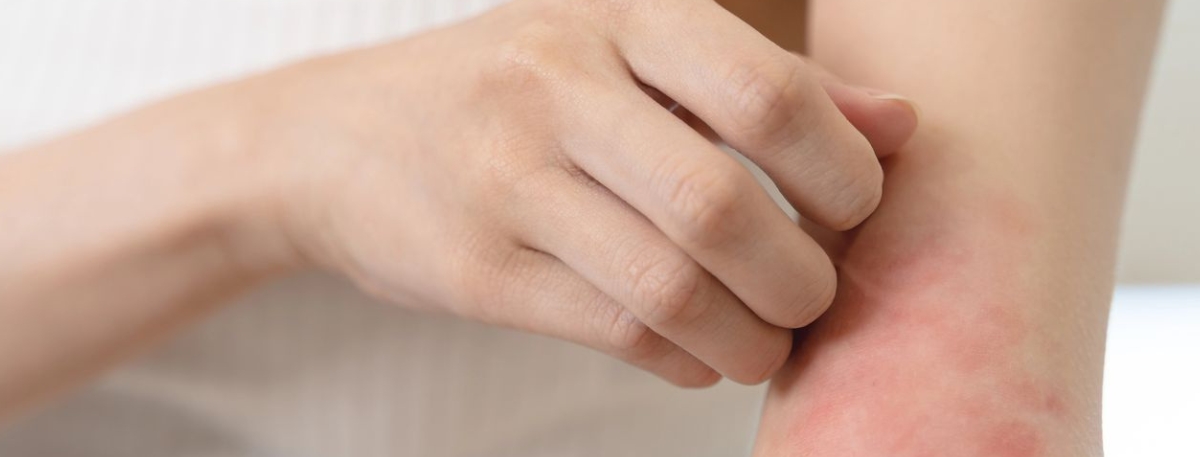
Atopic dermatitis, commonly known as eczema, is one of the most frequently diagnosed chronic skin conditions in children. While many parents recognize eczema by its itchy, dry patches, the condition often presents with a wide range of symptoms that vary by age, severity, and individual sensitivity. Understanding how atopic dermatitis symptoms appear and how flare-ups develop helps parents respond early and support their child’s comfort and well-being.
At PedSkin Research, pediatric dermatology research and education focus on helping families understand childhood eczema while supporting ongoing research into improved care strategies for children and adolescents.
Understanding Atopic Dermatitis in Children
Atopic dermatitis is a chronic inflammatory condition associated with a weakened skin barrier and immune system activity. When the skin barrier does not function properly, moisture escapes more easily, leaving skin dry and vulnerable to irritation. At the same time, immune responses in the skin can become overactive, leading to inflammation and itching.
The condition often begins in infancy or early childhood but may persist or change in appearance over time. Symptoms typically follow a pattern of flare-ups and periods of improvement rather than remaining constant.
Atopic dermatitis is:
- Not contagious
- Not caused by poor hygiene
- Not a result of food allergies alone
- Influenced by genetic and immune factors
Common Symptoms of Atopic Dermatitis in Children
While symptoms can vary, several features are commonly seen in pediatric atopic dermatitis.
Persistent Itching
Itching is often the most prominent symptom. Children may scratch frequently, especially during quiet moments or sleep. Persistent itching can lead to skin damage and worsening inflammation.
Dry and Rough Skin
Affected skin often feels dry, rough, or flaky. Even areas without visible redness may feel less smooth than surrounding skin.
Red or Inflamed Patches
Redness may appear in localized areas or spread over larger sections of skin. In some children, inflammation appears subtle, while in others it is more pronounced.
Thickened Skin
Repeated scratching can cause the skin to thicken over time, particularly in older children with long-standing symptoms.
Age-Specific Symptom Patterns
Symptoms of atopic dermatitis often vary depending on a child’s age.
Infants
In infants, eczema commonly affects:
- Cheeks and face
- Scalp
- Outer arms and legs
The skin may appear red, oozing, or crusted during flare-ups.
Young Children
As children grow, eczema often shifts to:
- Elbow and knee folds
- Wrists and ankles
- Neck and upper chest
Scratching becomes more intentional and frequent at this stage.
Adolescents
Teenagers may experience:
- Thickened or darkened skin in affected areas
- Persistent itching
- Symptoms influenced by stress and hormonal changes
What Is an Atopic Dermatitis Flare-Up?
A flare-up refers to a period when symptoms suddenly worsen after a time of improvement. Flare-ups are a defining feature of atopic dermatitis and can vary in duration and severity.
During a flare-up, children may experience:
- Increased redness and itching
- Intensified scratching
- Skin cracking or irritation
Understanding flare-ups helps parents respond quickly and reduce discomfort.
Common Factors That May Influence Flare-Ups
Although triggers vary between children, certain factors are commonly associated with flare-ups.
Environmental Irritants
Soaps, fragrances, detergents, and rough fabrics may irritate sensitive skin.
Weather Changes
Dry air, heat, or sudden temperature shifts can affect skin hydration and sensitivity.
Illness or Immune Stress
Colds or infections may temporarily worsen eczema symptoms.
Emotional Stress
Stress does not cause eczema but may influence symptom intensity in some children.
Identifying patterns over time can help families anticipate and manage flare-ups more effectively.

How Parents Can Manage Eczema Flare-Ups
Managing atopic dermatitis involves consistent daily care and thoughtful response during flare-ups.
Maintaining a Gentle Skin Care Routine
Regular moisturizing helps restore the skin barrier and reduce dryness. Gentle cleansers and lukewarm bathing are often recommended.
Avoiding Known Irritants
Parents may adjust household products, clothing fabrics, or bathing routines to reduce skin irritation.
Monitoring Scratching
Helping children recognize when they are scratching and offering alternatives, such as cold compresses or distraction, can reduce skin damage.
Importance of Pediatric Dermatology Care
Pediatric dermatologists play a key role in managing childhood eczema. They:
- Confirm diagnosis
- Assess severity and progression
- Provide individualized care recommendations
- Monitor long-term skin health
Regular follow-up allows care strategies to evolve as children grow and their skin changes.
Role of Clinical Research in Pediatric Atopic Dermatitis
Clinical research helps improve understanding of atopic dermatitis and explore new management approaches. At PedSkin Research, pediatric-focused studies evaluate investigational therapies under strict medical oversight.
These studies aim to:
- Expand knowledge of immune pathways involved in eczema
- Improve safety data for pediatric populations
- Support future dermatology care standards
Participation is voluntary and based on eligibility criteria.
Emotional Impact of Chronic Eczema Symptoms
Living with visible skin symptoms can affect a child’s emotional well-being. Children with atopic dermatitis may experience:
- Frustration from ongoing itching
- Embarrassment about appearance
- Anxiety during flare-ups
Parents can support emotional health by validating feelings and focusing on positive self-image.
Supporting Children Through Education and Routine
Education empowers children to understand their condition in age-appropriate ways. Teaching children why skin care routines matter and involving them in daily care can increase cooperation and confidence.
Consistent routines also provide a sense of stability, which can be comforting during flare-ups.
Long-Term Outlook for Children with Atopic Dermatitis
Atopic dermatitis often changes over time. Some children experience improvement as they age, while others continue to have intermittent flare-ups. With appropriate dermatology care and family support, many children manage symptoms effectively.
Learn More About Pediatric Atopic Dermatitis Research
Children with atopic dermatitis may qualify for clinical research studies depending on age and disease characteristics. Educational resources help families explore research opportunities without pressure or obligation.
Our Location
Coral Gables
4425 Ponce de Leon #115, Coral Gables, FL 33146, United States
Nearby Cities:


Request An Appointment
To request an appointment, please fill out the contact form below. Our team will get back to you as soon as possible to confirm your appointment and answer any questions you may have.
We look forward to assisting you.
Meet Our Medical Director
Mercedes E. Gonzalez M.D.
Dr. Mercedes E. Gonzalez is a board-certified pediatric dermatologist. After graduating from Emory University, she earned her degree at Rutgers–New Jersey Medical School in 2004. Always drawn to working with children, she accepted the prestigious pediatrics program at the Morgan Stanley Children’s Hospital of New York–Columbia University where she solidified her interest in treating skin disorders. She then completed a dermatology residency followed by a clinical fellowship in pediatric dermatology at the top-ranked New York University (NYU) Department of Dermatology.
Her gentle, child-friendly bedside manner, combined with her broad knowledge of childhood skin diseases and their treatments, make her the preferred pediatric dermatologist in Miami. In addition to practicing medicine, Dr. Gonzalez currently serves as a clinical assistant professor at The FIU Herbert Wertheim School of Medicine and The Phillip Frost Department of Dermatology at Miller School of Medicine.
Dr. Gonzalez serves as the Principal Investigator on numerous clinical trials and has a special interest in severe skin disease in children. She lectures regularly at Dermatology conferences and to medical students and residents and is the co-editor of 3 dermatology textbooks, including the recently published 2nd edition of Goodheart’s Same Site Differential Diagnosis, and has published over 50 journal articles.