
Hair loss in children can be emotionally challenging for both the child and their parents. When a child begins to lose hair, it’s natural for families to feel concerned and look for answers. Alopecia in children can have several underlying causes—some temporary and manageable, others more complex and related to the immune system.
At PedSkin Research in Miami, our goal is to help parents understand what may be causing hair loss in their children, recognize the early signs, and explore the latest research-backed treatment options designed for pediatric care.
What Is Alopecia in Children?
Alopecia refers to hair loss that can affect the scalp or other areas of the body. In children, this condition often appears as small, smooth bald patches on the scalp, though in some cases it may progress to more widespread hair loss. The most common form seen in young patients is alopecia areata, an autoimmune condition in which the immune system mistakenly attacks hair follicles.
Alopecia is not contagious and does not indicate poor health or hygiene. It can, however, have significant emotional effects on a child’s confidence and self-image—making early detection and appropriate care essential.
Common Causes of Alopecia in Children
Understanding the underlying cause is key to developing an effective plan for managing alopecia. Below are some of the most common contributors to hair loss in children.
1. Genetic Factors
Genetics play an important role in determining a child’s likelihood of developing alopecia. If parents or relatives have a history of autoimmune conditions or hereditary hair loss, a child may be more predisposed. Genetic alopecia—often referred to as androgenetic alopecia—is rare in young children but may become more apparent during adolescence.
2. Autoimmune Conditions (Alopecia Areata)
Alopecia areata occurs when the immune system attacks the hair follicles, disrupting the normal hair growth cycle. The condition can range from a few isolated bald patches to complete scalp hair loss (alopecia totalis). Researchers believe this immune reaction results from a mix of genetic predisposition and environmental triggers.
At PedSkin Research, clinical studies are underway to explore new treatment options for children with moderate to severe alopecia areata, including the use of JAK inhibitors, a promising class of medications that target immune pathways involved in inflammation.
3. Stress and Emotional Triggers
Emotional or physical stress can cause a type of temporary hair loss known as telogen effluvium. Events such as family changes, academic pressure, or illness can cause hair follicles to prematurely enter the resting phase, leading to shedding. Fortunately, this type of hair loss is often reversible once the stressor is resolved and the hair growth cycle normalizes.
4. Nutritional Deficiencies
A balanced diet is vital for healthy hair growth. Low levels of iron, zinc, vitamin D, or biotin can weaken hair follicles and contribute to thinning. Children with restrictive diets, food allergies, or absorption disorders may be at higher risk. Pediatric dermatologists often recommend blood work to identify deficiencies and ensure proper nutritional support.
5. Hormonal Changes and Thyroid Disorders
Conditions like hypothyroidism—when the thyroid gland underproduces hormones—can impact the body’s metabolism and hair growth. Puberty also introduces hormonal fluctuations that may temporarily affect the scalp’s balance, especially in girls. Addressing hormonal imbalances can help stabilize hair growth patterns.
6. Scalp Infections and Skin Conditions
Fungal infections such as tinea capitis (ringworm of the scalp) are among the leading causes of hair loss in school-aged children. Symptoms may include redness, scaling, and broken hair strands. Other skin conditions like seborrheic dermatitis or psoriasis can also cause inflammation that disrupts the hair follicles.
Genetic vs. Environmental Causes of Alopecia in Children
Alopecia in children often results from an interaction between genetic predisposition and environmental triggers.
Genetic alopecia is inherited and tends to follow predictable patterns within families. It often develops gradually and may become noticeable during adolescence.
Environmental alopecia, on the other hand, can stem from factors such as stress, diet, or exposure to certain chemicals. These cases are typically temporary and can improve when the underlying trigger is addressed.
Understanding whether your child’s alopecia has a genetic or environmental component can help your dermatologist determine the most appropriate next steps.
How to Detect Alopecia Early
Early detection plays a crucial role in managing alopecia effectively. Parents should regularly check their child’s scalp and hairline for changes in thickness or texture. Some early signs to watch for include:
- Patchy Hair Loss: Small, smooth bald spots are a hallmark sign of alopecia areata.
- Thinning Hair: A gradual decrease in hair density, particularly noticeable after brushing or washing.
- Scalp Redness or Scaling: Signs of infection or inflammation.
- Excessive Shedding: Large amounts of hair on the pillow, shower, or clothing may indicate an underlying issue.
If these symptoms are present, scheduling a consultation with a pediatric dermatologist is recommended for accurate diagnosis and guidance.
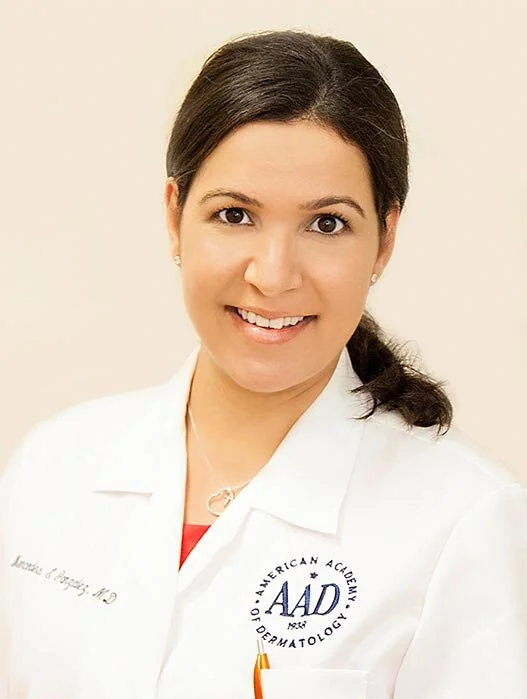
About Dr. Mercedes E. Gonzalez
PedSkin Research, located in Miami, is at the forefront of clinical research for pediatric dermatology. We are currently conducting clinical trials for children aged 6–11 and adolescents aged 12–17 with moderate to severe alopecia areata.
Our ongoing studies include:
- Ritlecitinib (Litfulo) – Pfizer’s oral JAK inhibitor, studied in children ages 6–11.
- Baricitinib (Olumiant) – FDA-approved for patients aged 12 and older, under evaluation for pediatric use.
These trials aim to expand safe, effective options for children who have not responded to traditional therapies. Participation in a clinical trial gives families the opportunity to contribute to groundbreaking research and gain early access to innovative care options under medical supervision.
Pediatric Alopecia Research in Miami
Dr. Mercedes E. Gonzalez, a board-certified pediatric dermatologist and principal investigator at PedSkin Research, leads multiple studies focused on childhood skin disorders.
She earned her degree from Rutgers–New Jersey Medical School, trained at Morgan Stanley Children’s Hospital of New York–Columbia University, and completed her dermatology residency and fellowship in pediatric dermatology at New York University (NYU).
Known for her compassionate, child-friendly approach, Dr. Gonzalez also serves as a clinical assistant professor at FIU’s Herbert Wertheim College of Medicine and the University of Miami’s Miller School of Medicine. Her extensive research, publications, and leadership in clinical trials make her a trusted expert for families dealing with alopecia in children.
How Parents Can Support Healthy Hair Growth Naturally
While some forms of alopecia require medical management, parents can take proactive steps at home to support scalp and hair health.
- Encourage a Balanced Diet: Ensure your child’s meals include protein, leafy greens, nuts, eggs, and foods rich in iron, zinc, and vitamin D.
- Promote Stress Management: Encourage activities that reduce anxiety, such as exercise, art, or mindfulness.
- Use Gentle Hair Care Practices: Choose mild shampoos, avoid tight hairstyles, and limit heat styling.
- Maintain Scalp Hygiene: Keep the scalp clean and moisturized to support healthy follicles.
- Build Confidence: Remind your child that hair loss does not define their worth. Support groups or therapy can be helpful in building self-esteem.
Our Location
Coral Gables
4425 Ponce de Leon #115, Coral Gables, FL 33146, United States
Nearby Cities:

Request An Appointment
To request an appointment, please fill out the contact form below. Our team will get back to you as soon as possible to confirm your appointment and answer any questions you may have.
We look forward to assisting you.
Meet Our Medical Director
Mercedes E. Gonzalez M.D.
Dr. Mercedes E. Gonzalez is a board-certified pediatric dermatologist. After graduating from Emory University, she earned her degree at Rutgers–New Jersey Medical School in 2004. Always drawn to working with children, she accepted the prestigious pediatrics program at the Morgan Stanley Children’s Hospital of New York–Columbia University where she solidified her interest in treating skin disorders. She then completed a dermatology residency followed by a clinical fellowship in pediatric dermatology at the top-ranked New York University (NYU) Department of Dermatology.
Her gentle, child-friendly bedside manner, combined with her broad knowledge of childhood skin diseases and their treatments, make her the preferred pediatric dermatologist in Miami. In addition to practicing medicine, Dr. Gonzalez currently serves as a clinical assistant professor at The FIU Herbert Wertheim School of Medicine and The Phillip Frost Department of Dermatology at Miller School of Medicine.
Dr. Gonzalez serves as the Principal Investigator on numerous clinical trials and has a special interest in severe skin disease in children. She lectures regularly at Dermatology conferences and to medical students and residents and is the co-editor of 3 dermatology textbooks, including the recently published 2nd edition of Goodheart’s Same Site Differential Diagnosis, and has published over 50 journal articles.